
WINDOWS BY PROJECT
Showing all 23 results
-
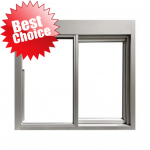
Single Panel Sliding Service Window
-
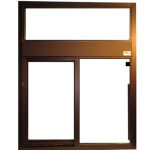
Single Panel Sliding Drive Thru Window with transom 4’ x 5’
-
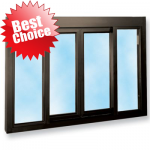
131 Bi-Parting Pass Thru Window
-
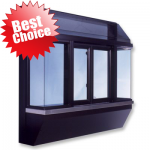
Bump Out 10 (BO10) Drive Thru Window
-
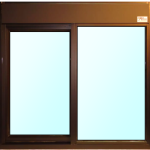
275 Single Panel Sliding Transaction Window
-
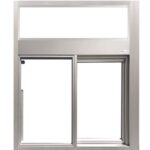
275 Single Panel Sliding Transaction Window with Transom or Air Curtain
-
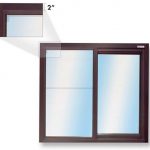
275 Low Profile Single Panel Sliding Transaction Window
-
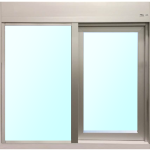
600 Single Panel Sliding Transaction Window
-
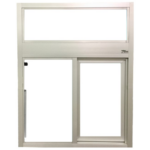
600 Drive Thru Window with Transom or Air Curtain
-
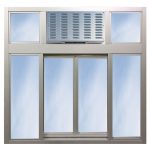
131 Bi-Parting Pass Thru Window with Transom or Air Curtain
-
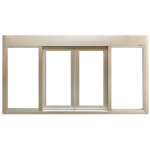
606 Bi-Parting Sliding Window
-
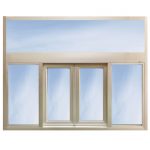
606 Bi-Parting Sliding Window w/ Transom or Air Curtain
-
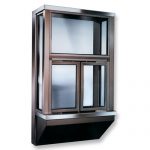
Bump Out 2 Drive Thru Window
-
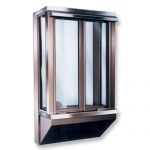
Bump Out 4 Drive Thru Window
-
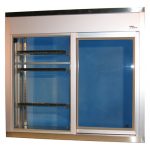
Bump Out 48 Single Panel Sliding Drive Thru Window
-
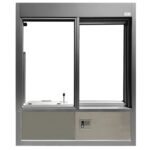
601 Service Window – Operable Pane with Security Drawer
-
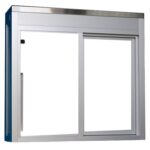
Bump Out 602 Pass Thru Window
-

Bump Out 602 Pass Thru Window w/ Service Drawer and Intercom
-
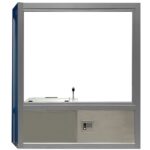
Bump Out 604 Fixed Pane Window w/ Service Drawer and Intercom
-
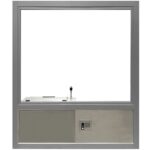
603 Security Window – Fixed Pane with Transaction Drawer
-
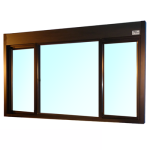
550 Walk Up Service Window
-
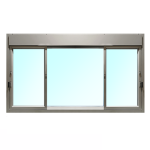
650 Walk Up Serving Window
-
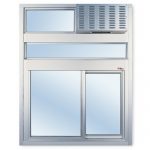
West Coast Window Package for California Retail Food Code
Window Solutions for Different Project Environments
Ready Access windows are used across a wide range of applications, including:
- Drive-thru restaurants and walk-up service windows
- Pharmacies and healthcare facilities
- Ticket and box office windows
- Banks and financial institutions
- Schools, campuses, and municipal facilities
- Security and guard stations
- Retail and payment transaction windows
Each project type has unique requirements related to service opening size, glazing options, security levels, airflow control, and operating systems. Ready Access designs its windows to accommodate these differences while maintaining consistent durability and ease of operation.
Designed for Real-World Commercial Use
Transaction windows are exposed to demanding conditions that typical windows are not designed to handle. Service openings may face constant use, changing weather conditions, vehicle exhaust, airborne debris, and temperature fluctuations. Ready Access window systems are built to withstand these environments while maintaining smooth operation and reliable performance.
Many models also support additional features such as self-closing operation, insulated or specialty glazing, air curtain integration, and coordinated mounting systems, allowing windows to be tailored to the needs of each project.
Find the Right Window for Your Project
Whether you are designing a new facility, upgrading an existing service window, or specifying equipment for a commercial build, the Windows by Project section provides a streamlined way to explore Ready Access solutions based on real-world applications.
FAQ
How should I select the best window for my project?
Ready Access offers extremely durable window solutions including single panel sliders, bi-parting designs, and fixed security windows with deal trays or service drawers.
To get started, use the “Project Type” filters on this page to see window models commonly used for your application. These filters help identify proven solutions used in similar projects.
What factors should be considered when selecting a service window?
1. What size items will be passed through the window?
Consider the size of the items being served or transferred.
Examples:
• Small items like credit cards, tickets, or receipts
• Medium items like bags or boxed meals
• Large items like pizza boxes or packages
Larger items typically require a larger service opening or a bi-parting window design.
2. What rough opening size is available in the building?
Most Ready Access sliding service windows require space for the door panels to slide to the sides rather than swing outward toward the customer.
For this reason, the rough opening in the wall is typically slightly more than double the size of the service opening.
3. What will customers see from the exterior?
Service windows are often part of the customer-facing design of the building.
Consider whether the window should provide a “front-of-house” aesthetic that complements the architecture and customer experience.
4. What level of security is required?
Some applications require higher levels of protection for staff and facilities.
For this reason, you may want to consider
• Bullet-resistant fixed windows
• Service drawers or deal trays for secure transactions
• Speak-through devices or intercoms for communication
5. Where will the window be located?
Location affects the glass type you will need
• Exterior walls (drive-thru or walk-up service) often use insulated low e glass or hurricane rated glass where required.
• Interior walls such as lobbies, vestibules often only need ¼” clear tempered glass unless it is a high security project where bullet resistant material is preferred.
How will customers approach the window?
Service windows are commonly used for walk-up service or drive-thru lanes, and the same window models can often work for both with slight design adjustments.
Walk-up windows often include:
• Flush mounting to the building exterior
• An exterior hand-off shelf for customer convenience
• Slightly taller service openings to allow better eye contact between staff and customers
Drive-thru windows may include:
• Service drawers designed for vehicle access
• Flip-down or flip-back drawer fronts for easier product transfer
Do I need a single service opening or two?
Some projects benefit from two service openings to improve workflow and efficiency.
This is common in high-volume environments such as drive-thru restaurants, concessions, or pharmacies.
Do I need an electronic window system?
Ready Access windows self-close automatically for security, HVAC control, and to help meet foodservice health codes where required.
They operate in several ways:
• Gravity self-closing – simple and reliable
• Fully motorized – hands-free operation
• MOER (Manual Open, Electronic Release) – the most popular option
The MOER system combines manual opening with an electromagnetic hold-open and presence sensor. This hybrid system delivers excellent reliability and is widely specified by major restaurant chains due to its durability and functionality.
Are Ready Access windows easy to operate?
Yes. All Ready Access sliding windows use overhead rollers, creating a track-free sill that is easy to clean.
Opening the window requires minimal effort—often just a finger or two on the handle (or the back of the hand or wrist for ADA accessibility). No twisting, pinching, or heavy lifting is required.
What accessories should I consider?
Popular additions include:
Air Curtains
Help discourage insects and improve HVAC efficiency by creating an air barrier at the service opening.
Hand-Off Shelves
Provide a convenient place for customers to set purses, wallets, or keys at walk-up windows and help create flexible reach space for vehicles in drive-thru lanes.
Showing all 23 results